Personal Development

How to Set & Stick to Your Goals

By Angela Brown, LCSW-S January 2024
Notebook titled 2026 Goals with a blank checklist on a blue desk beside pen, glasses, mini calendar, representing life and business goal planning, strategy, productivity and a fresh start

"Real growth happens when feedback stops feeling like criticism and starts feeling like direction."

Do you feel like you are on autopilot, just living everyday as it comes? Goal setting and finding purpose in life are interconnected concepts that can enhance your sense of fulfillment and direction. Having intention on where you are going and what you want to accomplish leads us toward a more gratifying life.

The process of setting meaningful goals begins with self-reflection. Take time to examine your values, interests, and passions. Consider what activities or causes make you feel most alive and engaged. Ask yourself what truly matters to you and what brings a sense of meaning to your daily experiences. This introspective process forms the foundation upon which your goals should be built, as goals that align with your core values are more likely to sustain your motivation over time.

Defining your core values is essential to this process. Values are the principles and beliefs that guide your decisions and actions, and they can relate to family, career, personal growth, community, or any other aspect of your life. Once you have a clear understanding of what you value most, you can begin to identify activities or topics that ignite your enthusiasm. Consider what you enjoy doing in your free time that could potentially become a career or a meaningful hobby. These intersections between your values, passions, and potential goals often represent the most fulfilling paths forward.

When setting goals, it is important to distinguish between short-term and long-term objectives. Short-term goals can be accomplished daily or weekly and provide immediate gratification and momentum, while long-term goals may take months or years to achieve and represent your broader life aspirations. Using the SMART framework can help ensure your goals are attainable: Specific goals are clear and well-defined; Measurable goals allow you to track progress; Achievable goals are realistic given your resources; Relevant goals align with your broader life purpose; and Time-bound goals have clear deadlines that create urgency and accountability.

Breaking larger goals into smaller, manageable steps is a strategy that makes long-term objectives less overwhelming and helps you track your progress along the way. Not all goals are equally important, so prioritization is key. Focus your energy on goals that most closely align with your core values, and be prepared to adjust your priorities as circumstances change. Taking consistent and deliberate action toward your goals is essential, even when setbacks occur. Resilience in the face of obstacles is what separates those who achieve their goals from those who abandon them.

Adaptation is a natural part of the goal-setting process. Life is dynamic, and being open to adjusting your goals as circumstances evolve demonstrates wisdom rather than weakness. Seek feedback from mentors, friends, or colleagues who can offer valuable outside perspectives on your goals and purpose. This feedback can help you recognize blind spots and identify new opportunities you may have overlooked. Furthermore, reflecting on how your goals align with your values and passions will give you a deeper sense of meaning and fulfillment as you progress.

Many people find that a sense of purpose can be discovered through service to others. Consider how your goals might contribute to the greater good or make a positive impact on your community or the world. Altruistic goals often provide the deepest satisfaction because they connect individual aspirations to something larger than oneself. However, it is important to be patient with yourself throughout this process. Finding your purpose and achieving meaningful goals is rarely a linear journey. There will be enjoyments and obstacles along the way, and both are valuable life lessons that contribute to your growth and wisdom.

Practicing self-compassion is crucial when facing setbacks or obstacles. Being too hard on yourself can undermine your motivation and negatively impact your mental well-being. Treat yourself with the same kindness and understanding you would offer a good friend who was struggling. Regularly reviewing your goals, values, and passions helps you stay aligned with your evolving sense of purpose. As you grow and change, your goals may need to change as well, and this is a natural and healthy part of personal development.

Remember that your sense of purpose may shift over time, and this is completely normal. The key is to stay true to your values, pursue goals that resonate with who you are, and remain committed to continuous learning and adaptation as you journey toward a more purposeful and fulfilling life.

Mental Health & Wellness

Putting Out the Fire from Inside

By Angela Brown, LCSW-S October 2023
Frustrated woman working at computer desk showing stress and anxiety

It can be quite uncomfortable being stressed out all day. You spend every day struggling to be as productive as possible for others, draining every ounce of your battery to accomplish a myriad of daily duties, ending each night in exhaustion and frustration. You struggle to get the kids up and ready, feed the pets, drop the children off at school, go to work, respond to a thousand emails and attend twenty meetings. You skip lunch most days or eat at your desk because the boss has piled another load of duties on you. Then back home, you cook, clean, fuss and fight about dinner and showers and bedtimes. The list goes on and on, and simply reading this description may have increased your anxiety.

Allow me to introduce the concept of self-care, which is becoming an increasingly popular phrase as more people understand the impact of mental and emotional health throughout our daily lives. The purpose of self-care is to protect your well-being and happiness, along with recharging your battery so you can get through the rest of your day with resiliency, rejuvenation, and efficiency. Self-care is defined differently for everyone, but the concept is simple: recognize and release the stress, find your peace, and relax.

In the heat of a stressful moment, you want to be calm and collected, but quickly you find yourself seeing red. Believe it or not, there are approaches that can help you avoid exploding. You may recognize you have done a few of these techniques without awareness. After learning these strategies, you will develop greater self-awareness and more control over how you react to stressful moments. You will also be more intentional with recharging your battery to complete the day so you can feel less drained than before.

Walk Away for a Moment

Changing your environment can allow your brain to decrease overwhelming stimuli, become conscious of the emotion you are stuck in, recognize a different perspective, and just take a breath. Do a little self-talk or fuss to yourself to release that emotion. When working in restaurants, employees knew that the soundproof refrigerated cooler was where you could go to scream, cry, cuss, and do whatever else it took to release your frustration. After leaving the cooler, you would return to your tables with the biggest smile on your face, feeling completely decompressed. Sometimes the simple act of stepping away from a situation, even for sixty seconds, can make all the difference in how you respond.

Be Aware of What You Sense

We learned about our five senses in elementary school, yet becoming over-stimulated pertains to an overload of the senses, both consciously and unconsciously. Even things you are not paying attention to, your brain still registers. For example, going to the grocery store can be overstimulating due to the sounds of registers dinging, children playing in the aisles, announcements over the intercom, and doors opening and closing. You may notice crowded aisles, the abundance of products to choose from, and the fluorescent lighting. You are touching the handle on carts, grabbing products off the shelf, and your shoes may not be comfortable. People may be bumping into you. You might smell lingering scented candles, the scent of people passing by, and the cooking samples being marketed. You could taste your gum or candy, try a few samples being given away, and sometimes your brain can taste some of the more lurid smells you encounter. For some individuals, that is way too many stimuli at one time. For others, it is exciting and they can navigate it all day long. Now that we are older, we put little thought into the senses, yet they can control our emotions in profound ways.

The 5-4-3-2-1 Technique

When feeling overwhelmed and needing to ground yourself, or minimize what you are sensing, try this technique. First, name five blue things you can see. Now close your eyes for a minute and name four things you can physically feel, such as the texture of your clothing or the temperature of the air. Next, name three things you can hear in your environment. Then name two things you can smell, and finally name one thing you can taste. This exercise can minimize what you are allowing your brain to process so you can focus on what is truly important. This is a distraction tactic to get yourself out of your head and back into your body, grounding you in the present moment rather than spiraling into anxiety about the past or future.

Breathing Technique

Breathing at a natural pace can help decrease panic or relieve stress during anxious moments. The oxygen regulates bodily functions such as chest pain, sweating, hyperventilation, and rapid heart rate. There are dozens of ways to regulate your breathing, including breathing in for five seconds, holding for three seconds, and exhaling for five seconds. Finding a breathing technique that works for you and practicing it regularly can make a significant difference in how you handle stressful situations when they arise.

Gratitude and Self-Appreciation

First and foremost, give yourself grace. At times, just thanking yourself for the things you can or have accomplished is highly impactful in producing a positive mindset. Honestly, how much time do you spend having thoughts about your problems while driving or waiting in line? Replacing negative thoughts with more uplifting self-appreciations allows you to recognize your strengths, accomplishments, resilience, and competence. You are not being cocky by doing this; you are fueling your confidence. You can thank yourself for already doing the laundry before everyone got up this morning, or appreciate that you worked on homework with your child before the rest of the kids got home from school, resulting in one less thing to worry about later. Being grateful for things that have not happened is also a good way to show gratitude, such as appreciating that you slowed down so you did not hit the dog or recognizing that if you had taken a certain appointment, your day would have been all messed up. There is a positive and a negative perspective in every situation. The biggest takeaway here is the importance of self-appreciation and grace.

Exercise and Getting Back in Tune with Your Body

The first thing many people think of when considering exercise is adrenaline, which is also the source of anxiety. As soon as tragedy hits, our body becomes consumed with adrenaline. Your brain is naturally wired to imagine the worst outcome, and physically preparing to either fight, freeze, or flee. Physical activity releases stress hormones, specifically cortisol and adrenaline, from the body. Alongside the reduction of these hormones, exercise also increases endorphins which produce natural pain killers and mood elevators. While exercise is certainly challenging, constantly being stressed out is ultimately tougher on your body and mind in the long run. Finding physical activities you enjoy and can sustain will help you manage stress more effectively over time.

Remember that self-care is not a luxury but a necessity for maintaining your mental and emotional health. By incorporating these techniques into your daily routine, you can learn to manage stress more effectively, protect your well-being, and approach each day with renewed energy and perspective. The investment you make in yourself through self-care practices will pay dividends in improved mood, better relationships, and greater overall life satisfaction.

Mental Health & Wellness

How to Recharge

By Angela Brown, LCSW-S November 2023
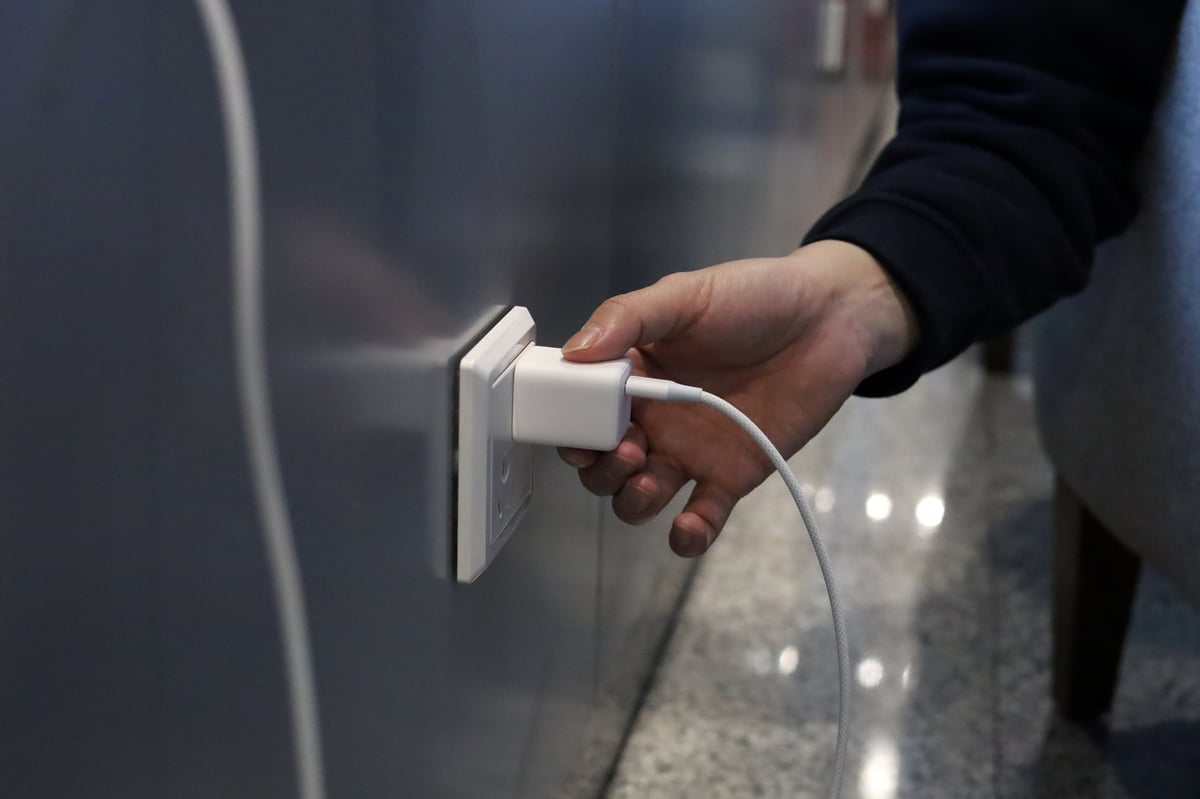
Hand plugging charger into wall socket

How many times have you heard the phrase, "It is not about how many times you fall, it is about how many times you get back up"? But how did you learn to get back up? We are so supportive toward our loved ones when they are stressed, but when it is time to support ourselves, rarely do we spare an inkling of grace. We struggle day after day with trying to manage our time to be as productive as possible, draining every ounce of our battery to accomplish a myriad of daily duties, unfortunately making many nights end in exhaustion and frustration.

Allow me to introduce the concept of self-care. Self-care is becoming a popular phrase now that more people are understanding the importance of mental health throughout our everyday lives. Self-care is defined differently for everyone, but the concept is simple: find your peace and relax in it. Self-care means to prioritize your self so you can get through the rest of your day with resiliency, rejuvenation, and efficiency.

Here is a small list of self-care activities that you may have underestimated their value:

Exercise Regularly

When you feel over-stimulated, do you notice you start fidgeting, picking at your nails, vibrating your knee, or shaking in the body? Your body is trying to release some of the adrenaline the anxiety is producing. Physical activity releases stress hormones, or cortisol and adrenaline, from the body. Working out can be tough, but so can holding onto the adrenaline; the adrenaline does not know whether to fight, run away (flight), or freeze. Alongside the reduction of these hormones, exercise also increases endorphins which produce natural pain killers and mood elevators (Harvard Medical School, 2020).

Eat Well

Fueling your body and mind and staying hydrated is similar to giving your car gas, an oil change, and maintenance. The better you take care of it, the better it runs. You take time to do it for your car, you can make time to do it for yourself. Some of the hardest motivators for anxiety are sugar, caffeine, alcohol, fried and processed foods, and food additives such as MSG, food dyes, and artificial sweeteners.

Get Adequate Sleep

Our bodies release hormones when we sleep that repair cells and control the body's use of energy, along with the fluctuating heart rate, breathing rate, and blood pressure that are important for cardiovascular health. Your body needs sleep to create enough energy for the next day. Get some sleep, your brain has a lot of work to do while your body rests.

Practice Gratitude

We are consumed with negative thoughts, sometimes without realizing it, but we can be intentional with our thoughts by putting effort into recognizing the positive moments in our lives. Examples of positive thoughts can be, "I feel like I inspired someone to do the right thing," "I am so glad I was able to be there for them today," "It was a challenge, but it changed my life for the better," or "One bad day does not change all of the progress I have made." You can start your day out with, "I am strong and will give myself grace today," "I will have integrity in everything I do," and "I will not allow anyone to take my joy today."

Progressive Muscle Relaxation or Body-Scanning

Noticing all the tension in each part of your body, starting at your toes. Tighten and then release from the toes, ankles, calves, knees, thighs, hips, buttocks, lower back, upper back, shoulders, chest, neck, face, and do not forget that tiny crinkle between your eyebrows. Relax everything and just sit there recognizing how your body feels. Do not forget your lungs and heart need the same attention. Slow the breathing and you will slow your heart from racing.

Take Time to Unpack Your Feelings

We avoid our emotions, compartmentalizing them, to deal with "when I have time." They build up inside and eventually, one day in the ice cream aisle, you just start ugly crying. A therapist would say, "You need to find the time to reflect and process those packed up emotions." This is like cleansing your palate when food tasting: taste it, describe and talk about it, wash it away, and make a clean space for another bite. Allow yourself to feel the disappointment, shame, grief, or sadness that you packed away. Talk it out, release the feeling, and give yourself grace for feeling them. All emotions are a part of us; they need to be heard and appreciated just as much as joy and love, so they can heal.

References

Harvard Medical School. (2020). How does exercise reduce stress? Surprising answers to this question and more. Harvard Health Publishing: Harvard Medical School. Retrieved from https://www.health.harvard.edu/staying-healthy/exercising-to-relax